Archaeology and Documents
What the land and the manuscripts tell us
Manuscripts, scrolls, inscriptions and finds that help us understand the Bible — with the date, where they were found, where they are today, what they say and the sources for you to check. When scholars disagree, the entry says so.
🔎 Search with AI
Ask about manuscripts, finds and ancient documents. The AI answers first with the entries from this collection and lets you know when it speaks of something outside it.
Each search uses 2 credits (your account gets free credits every month).
- c. 840 B.C.
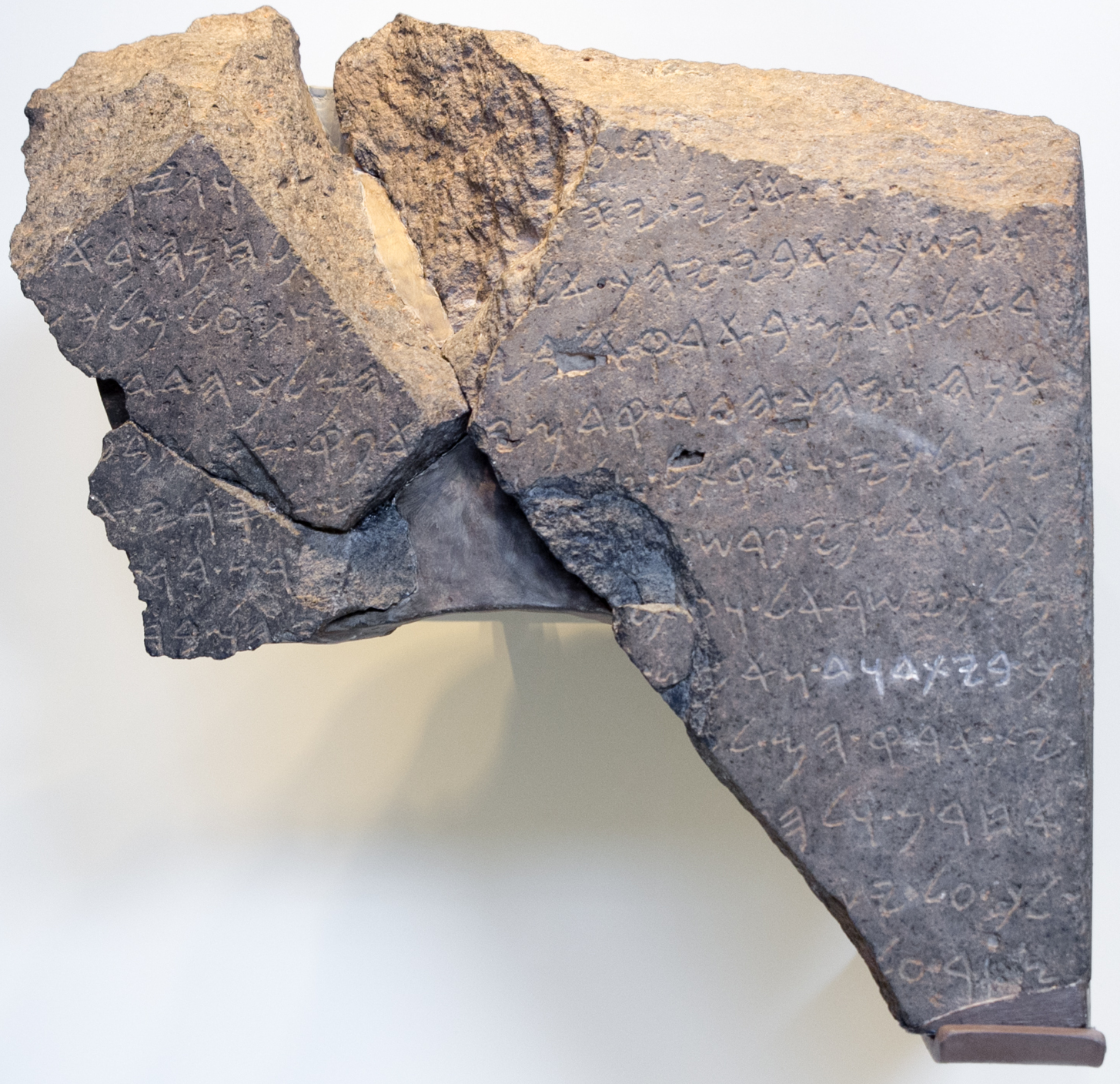 🪨 InscriptionTel Dan Stele: the "House of David"The first mention of David outside the Bible: an Aramean king boasts of having defeated the king of Israel and the king of the "House of David."📍 Israel Museum (Jerusalem)
- c. 701 B.C. (tunnel); 1st century (pool)
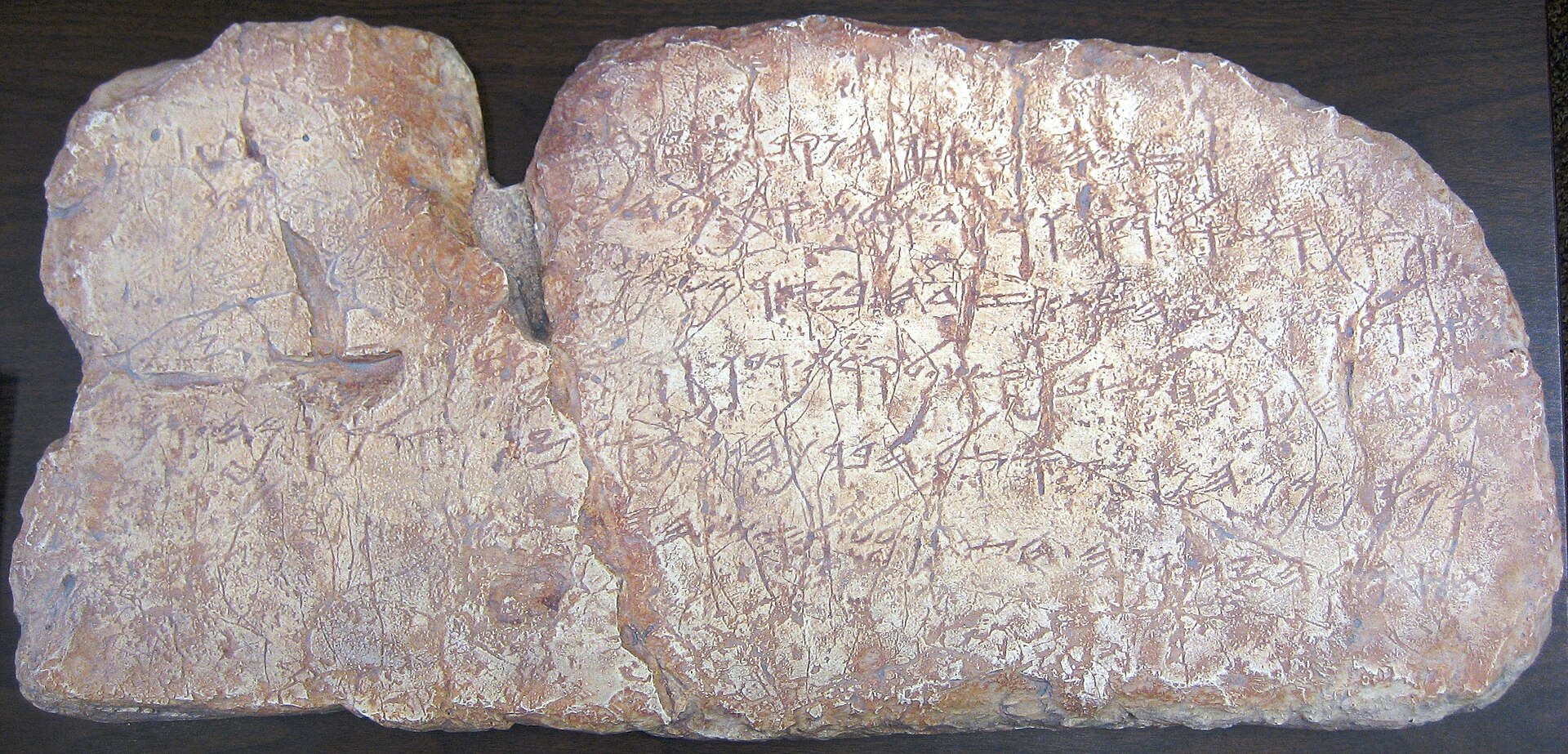 🪨 InscriptionHezekiah's Tunnel, the Siloam Inscription and the Pool of SiloamThe tunnel that King Hezekiah dug to bring water into Jerusalem, the plaque left by the diggers themselves and the pool where Jesus told the blind man to wash.📍 Inscription: Istanbul Archaeological Museum. Tunnel and pool: in place, in Jerusalem
- c. 650–600 B.C.
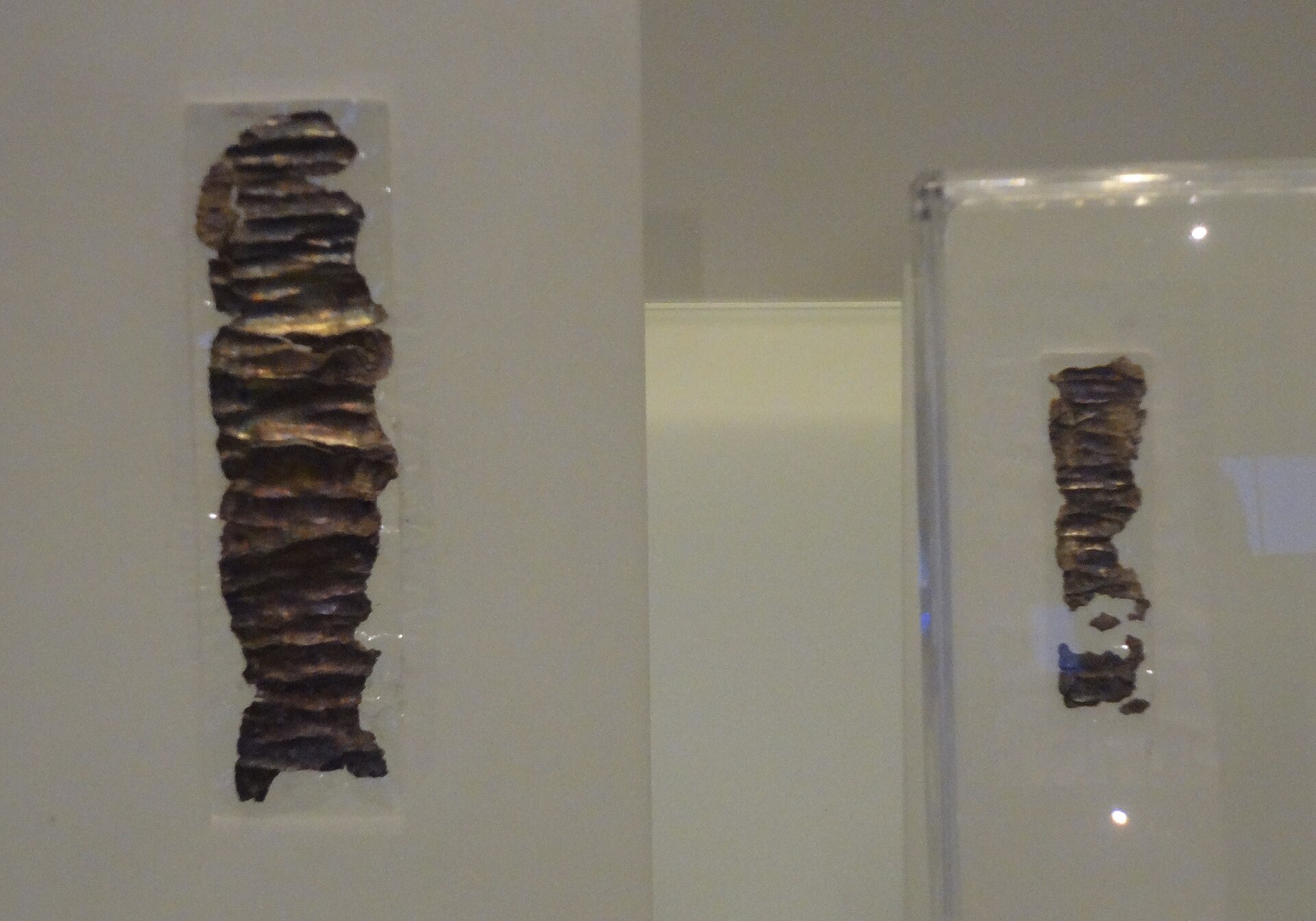 🏺 Archaeological findKetef Hinnom silver scrollsTwo silver amulets with the blessing of Numbers 6:24-26 — the oldest biblical text ever found, from the time of the first temple.📍 Israel Museum (Jerusalem)
- c. 150–100 B.C.
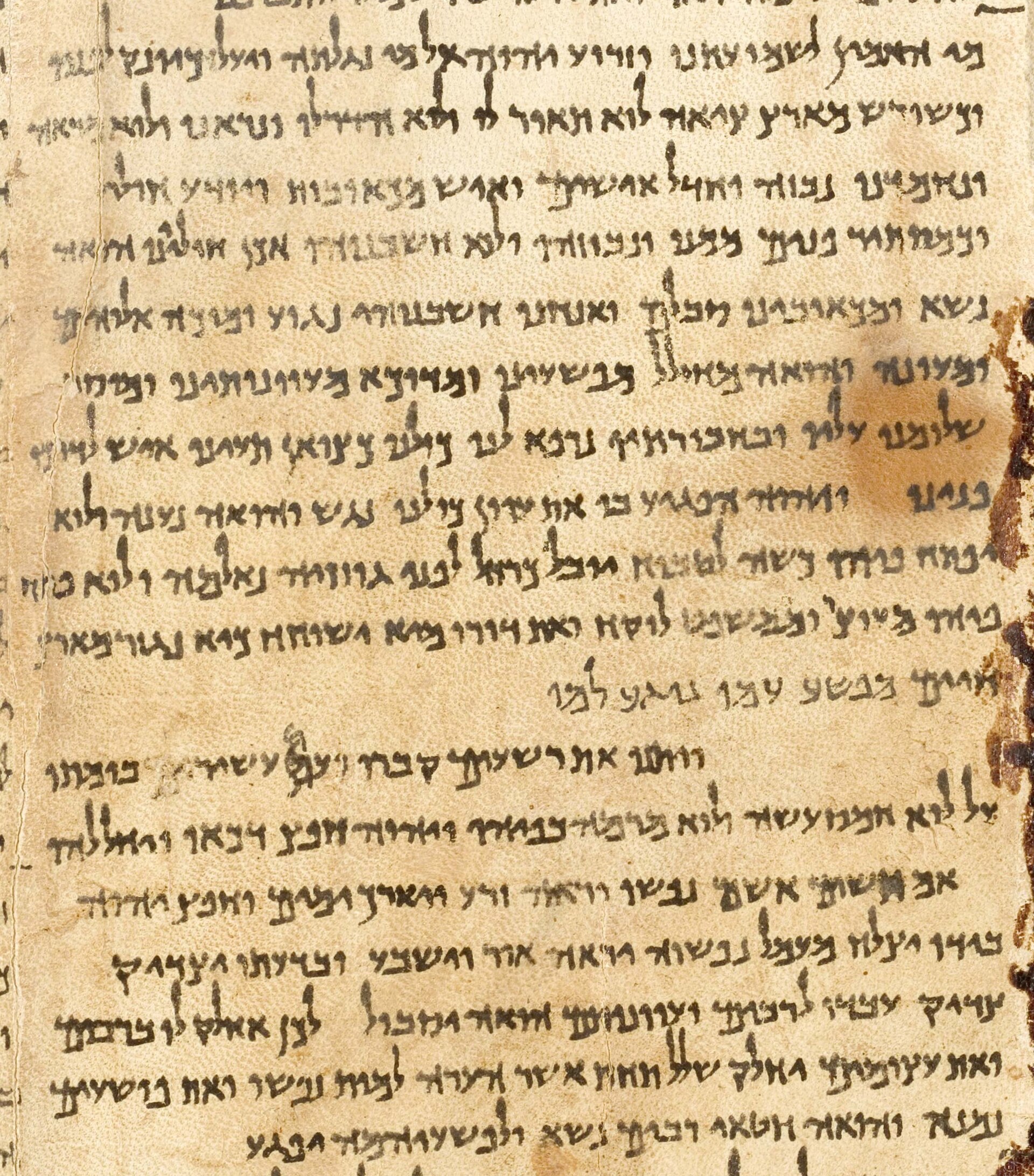 🧾 ScrollDead Sea Scrolls: the Great Isaiah ScrollThe entire book of Isaiah, copied by hand about 100 years before Jesus — and almost identical to the text we read today.📍 Shrine of the Book, Israel Museum (Jerusalem)
- c. 26–36 A.D.
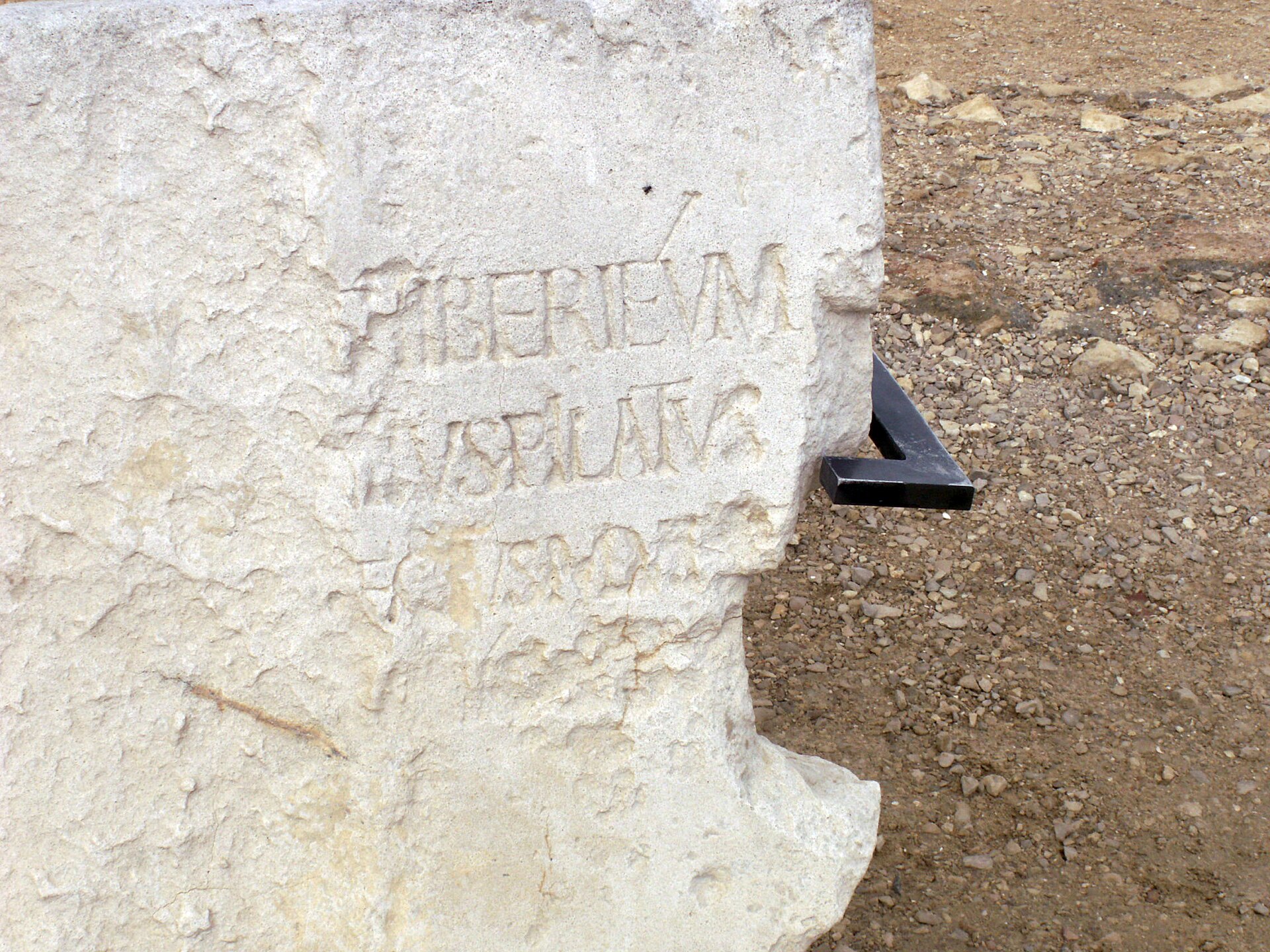 🪨 InscriptionPilate StoneThe only known ancient inscription with the name of Pontius Pilate and his office: "prefect of Judea."📍 Israel Museum (Jerusalem); a replica is in Caesarea
- 1st century AD
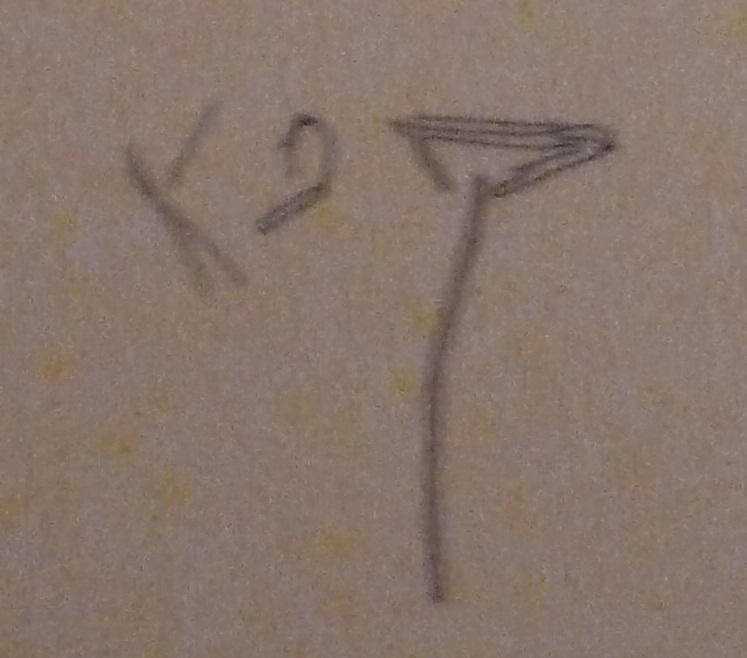 🏺 Archaeological findCaiaphas OssuaryA richly decorated bone box bearing the name "Joseph, son of Caiaphas" — probably from the family of the high priest who handed Jesus over to Pilate.📍 Israel Museum (Jerusalem)
- c. 52 AD
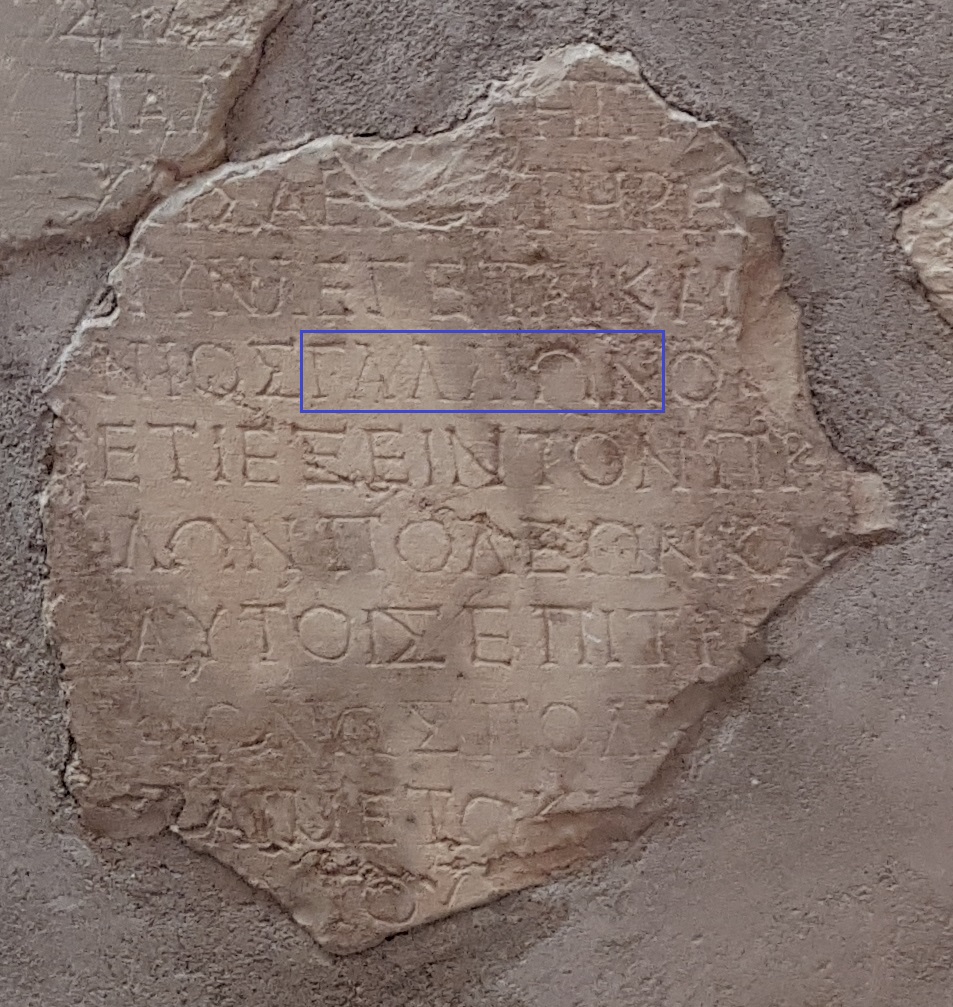 🪨 InscriptionGallio Inscription at DelphiA letter from the emperor Claudius that names Gallio as proconsul of Achaia — the same Gallio before whom Paul was brought in Corinth. It is the fixed point for dating Paul's life.📍 Archaeological Museum of Delphi (Greece)
- c. AD 93–94
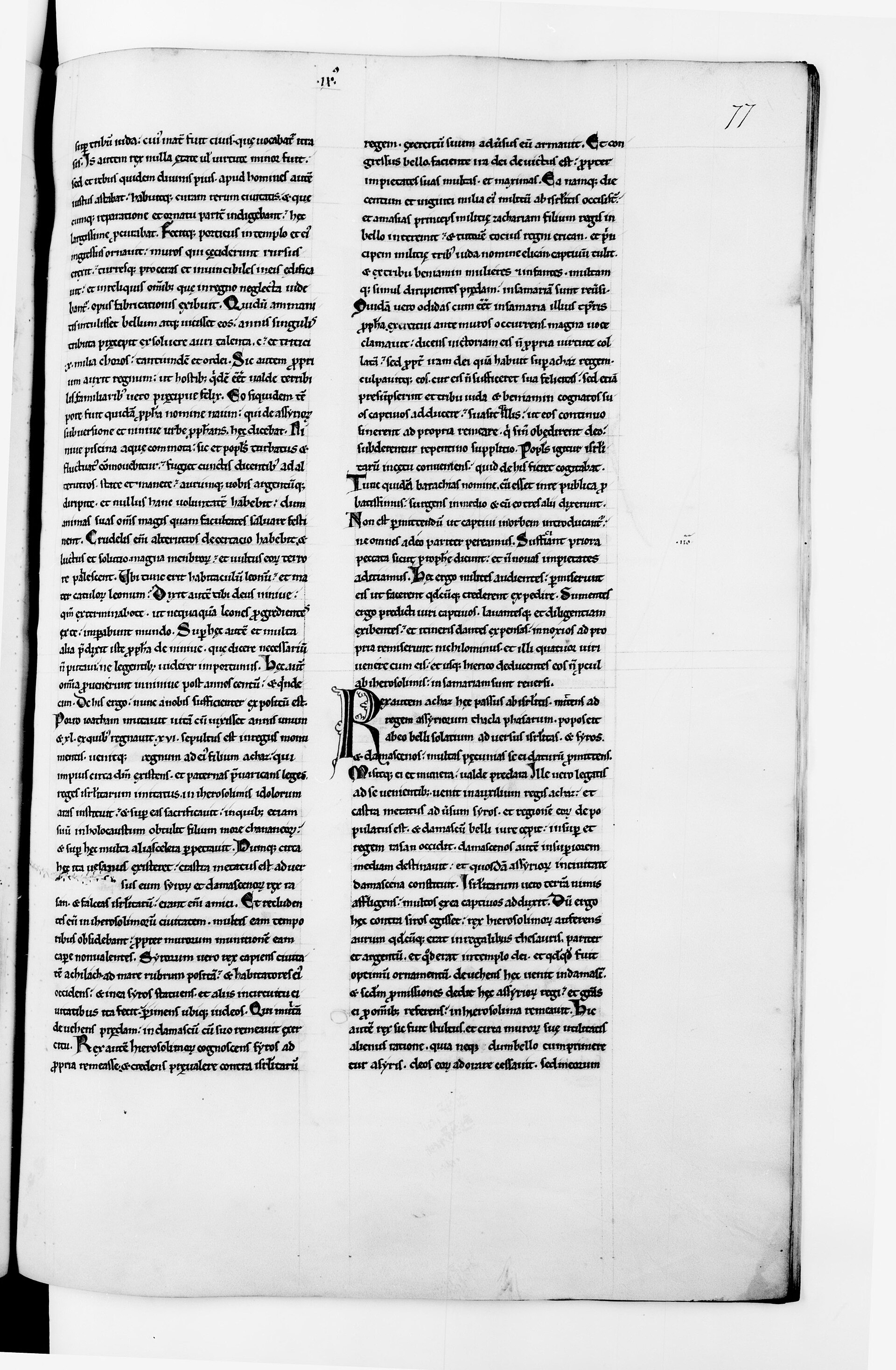 📖 Ancient documentFlavius Josephus on Jesus and JamesA Jewish historian who was not a Christian mentions Jesus twice — one of them calling James "the brother of Jesus, who was called Christ".📍 Medieval Greek manuscripts (the oldest of the cited parts is from the 11th century); quoted by Eusebius in the 4th century
- written c. AD 70–120; copy from 1056
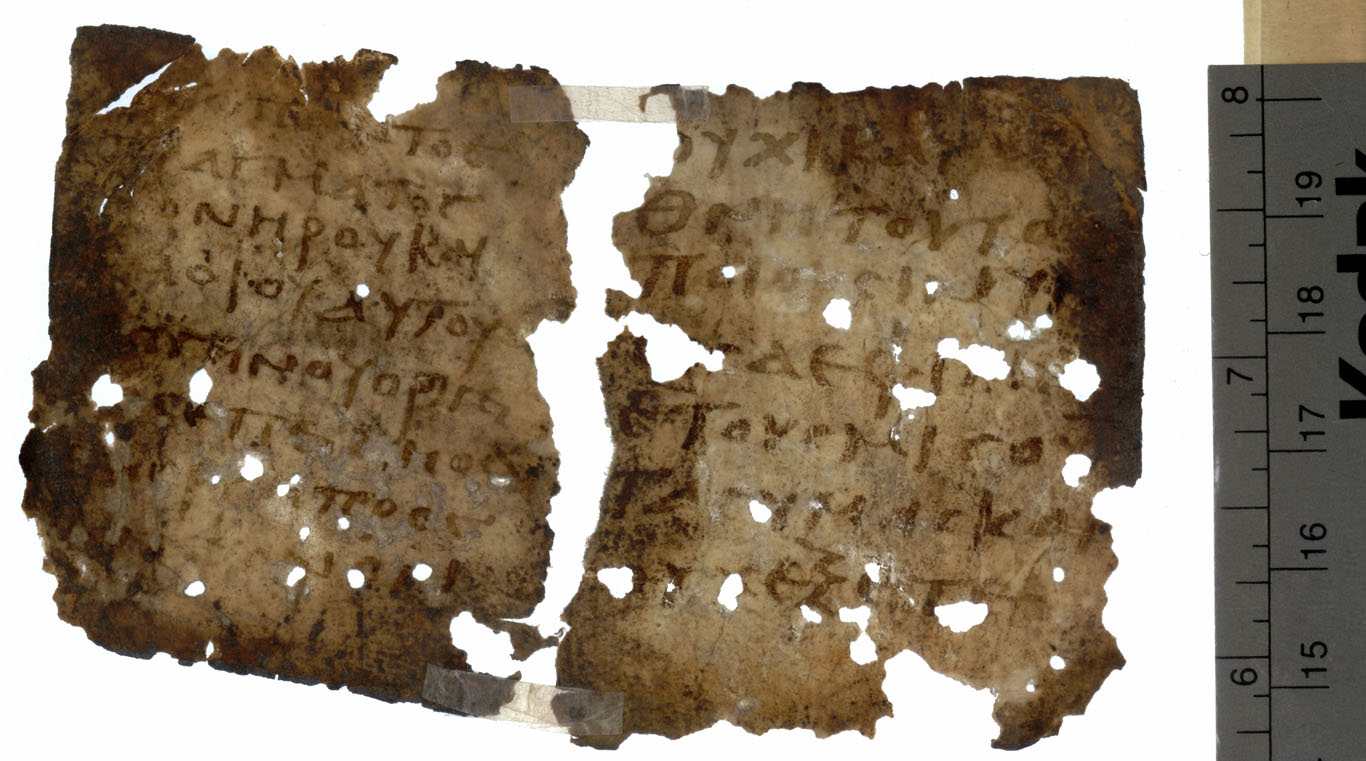 📖 Ancient documentDidache: the teaching of the twelve apostlesA small manual of the early church on the "two ways," baptism, fasting, the Lord's Prayer and the Supper — perhaps the oldest Christian writing outside the New Testament.📍 Greek Orthodox Patriarchate of Jerusalem (Codex Hierosolymitanus 54)
- c. AD 112 and c. AD 116
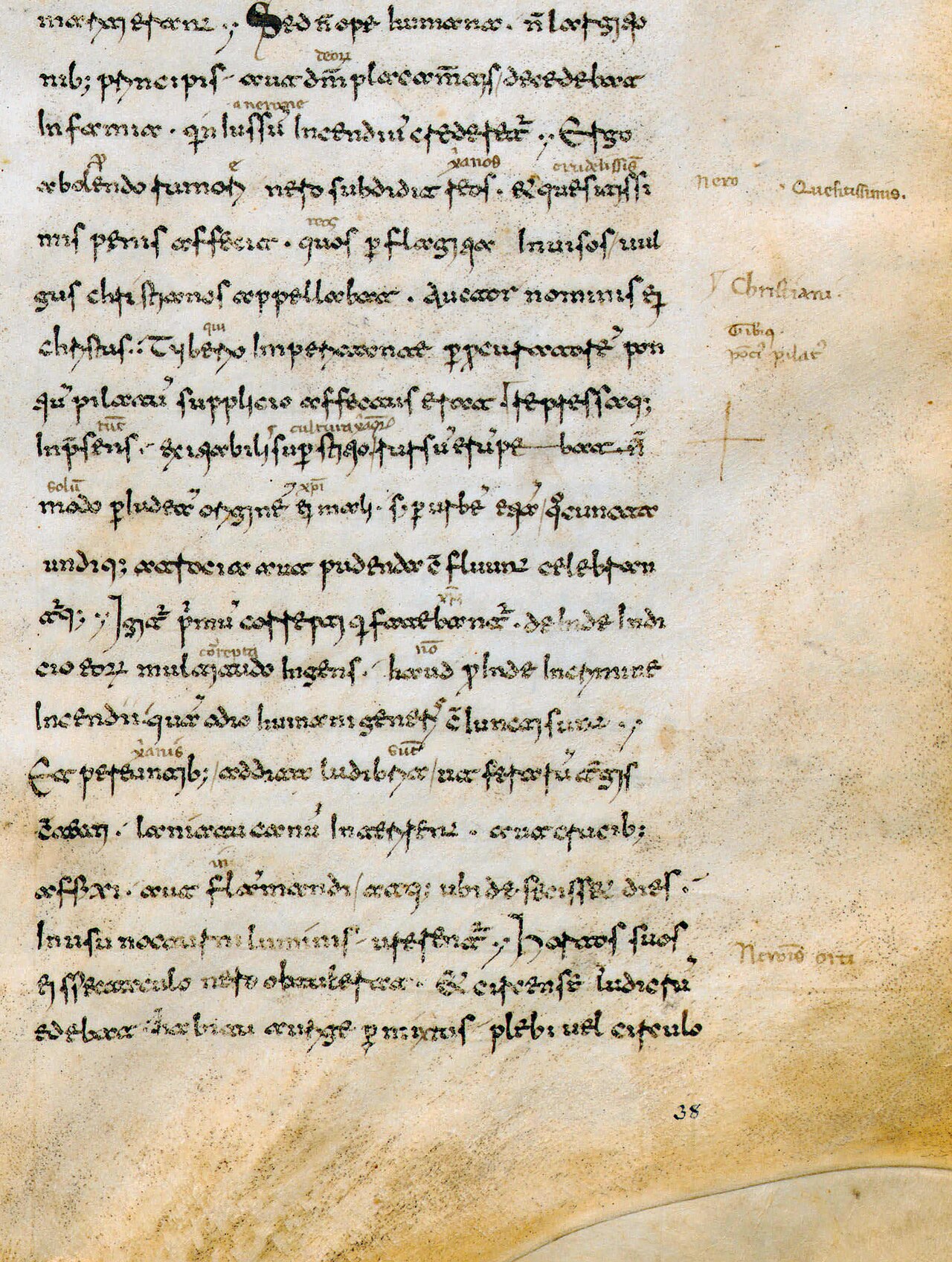 📖 Ancient documentTacitus and Pliny the Younger on the ChristiansTwo Romans who despised Christians confirm that Christ was executed by Pontius Pilate and that, a few decades later, Christians were already worshiping him "as a god."📍 Tacitus' Annals: 11th-century manuscript in the Laurentian Library (Florence). Pliny's Letters: editions based on medieval manuscripts
- c. 125–175 AD
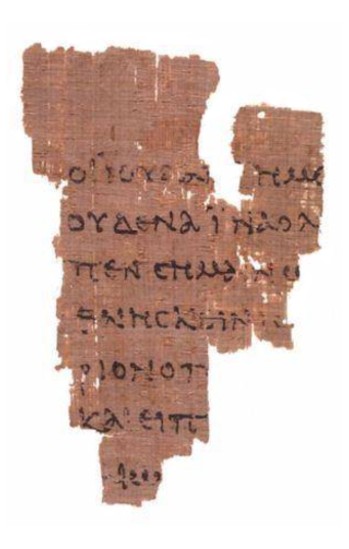 📜 ManuscriptPapyrus P52: the oldest fragment of the New TestamentA fragment the size of a credit card with John 18 — the oldest known copy of a passage from the New Testament.📍 John Rylands Library, Manchester (England)
- fourth century A.D. (c. 330–360)
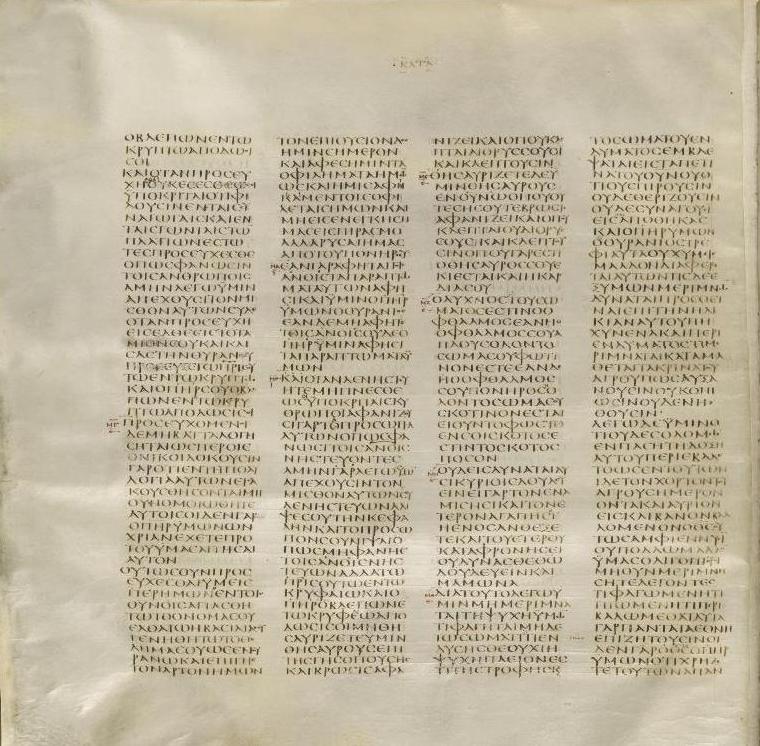 📜 ManuscriptCodex SinaiticusThe oldest complete Bible that exists with the entire New Testament, written in Greek in the fourth century.📍 Majority: British Library (London). Parts in Leipzig, St. Petersburg and in the monastery itself. Entirely online.